Facilities
The Building & Its Environment
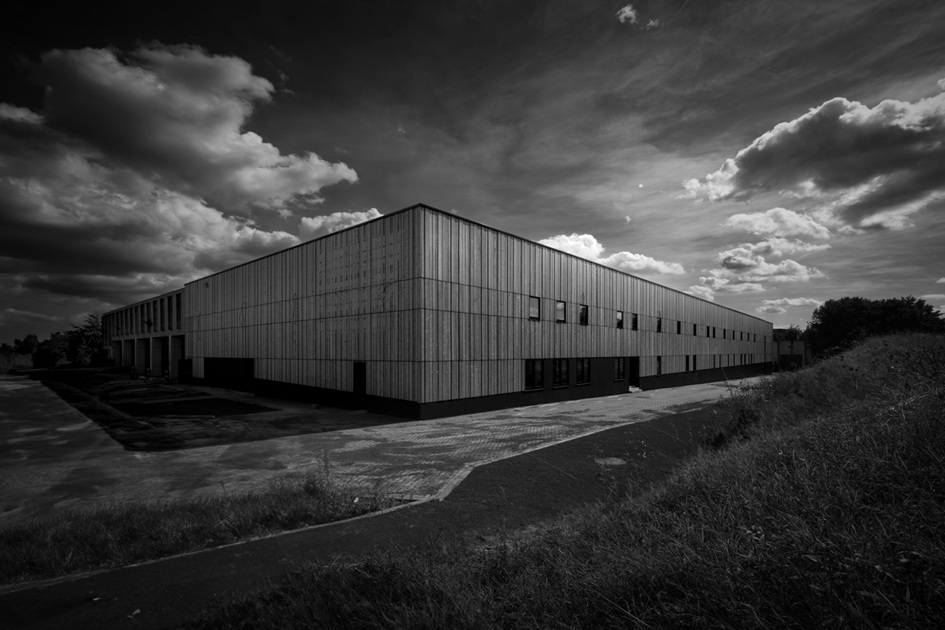
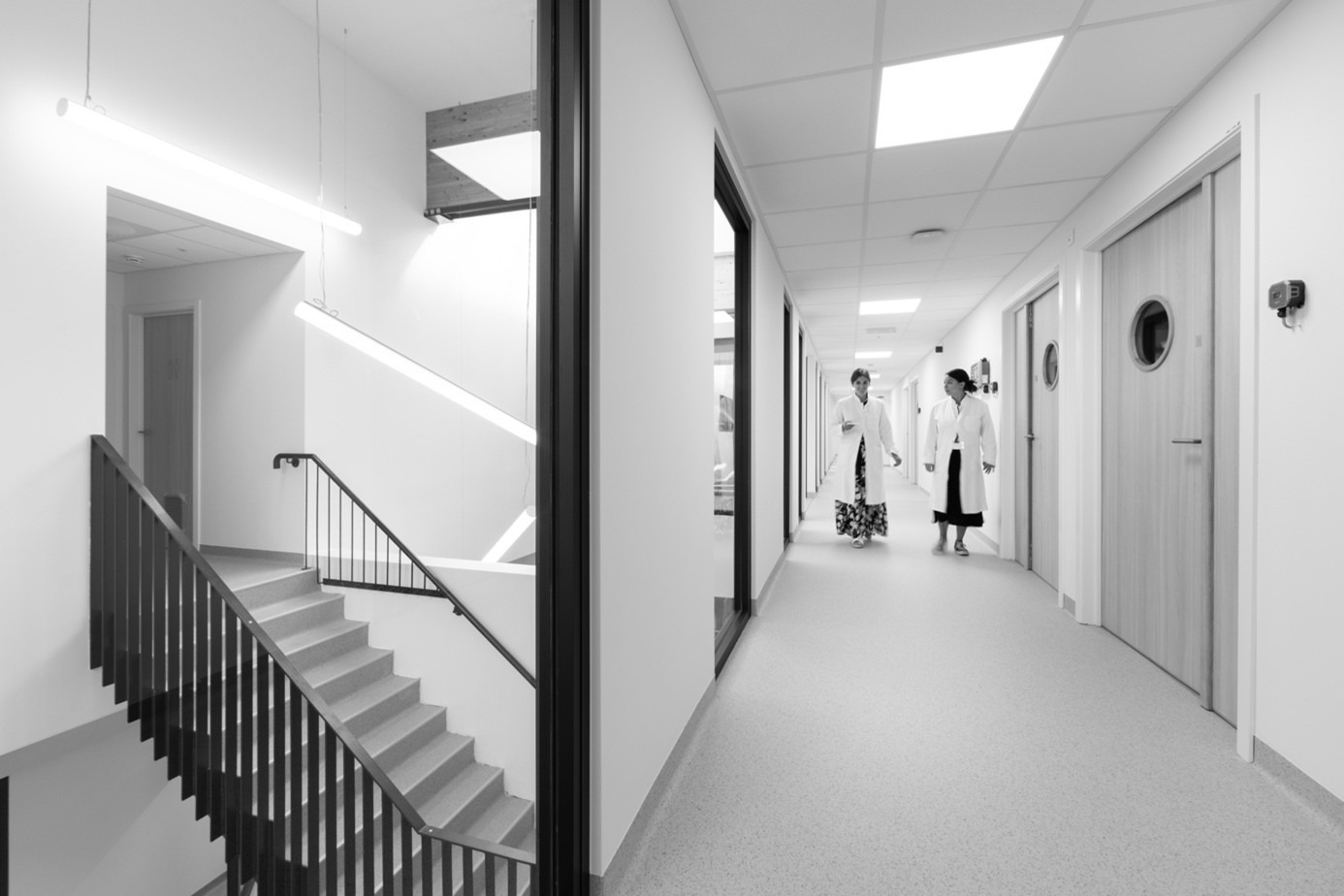
At the ULB, the EPIV brings together immunology and microbiology research teams to combat infectious diseases in Belgium and worldwide, and to contribute to international efforts to prepare for future pandemics. This new 3,600 m² building includes state-of-the-art laboratories that enable the safe handling of dangerous pathogens.
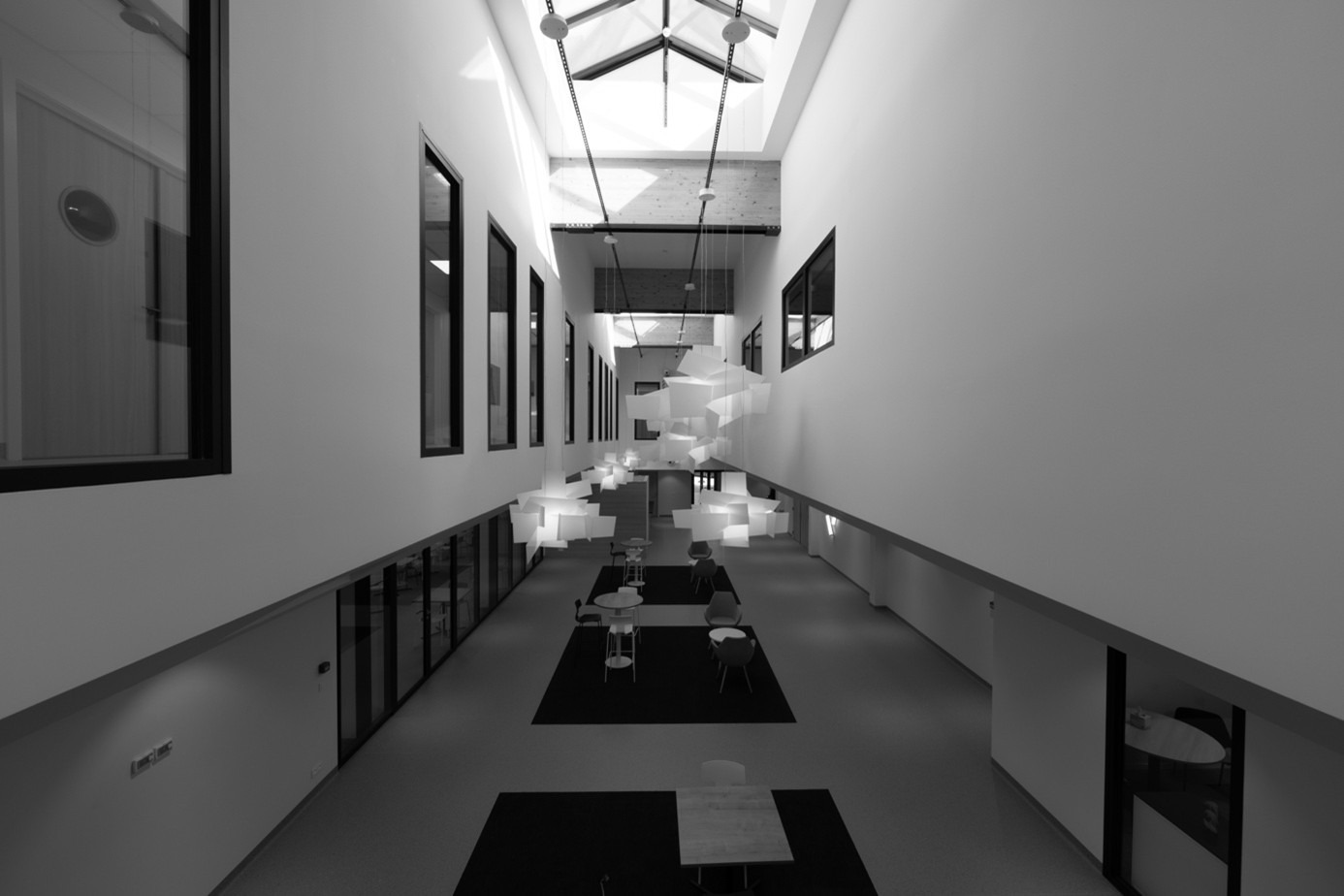
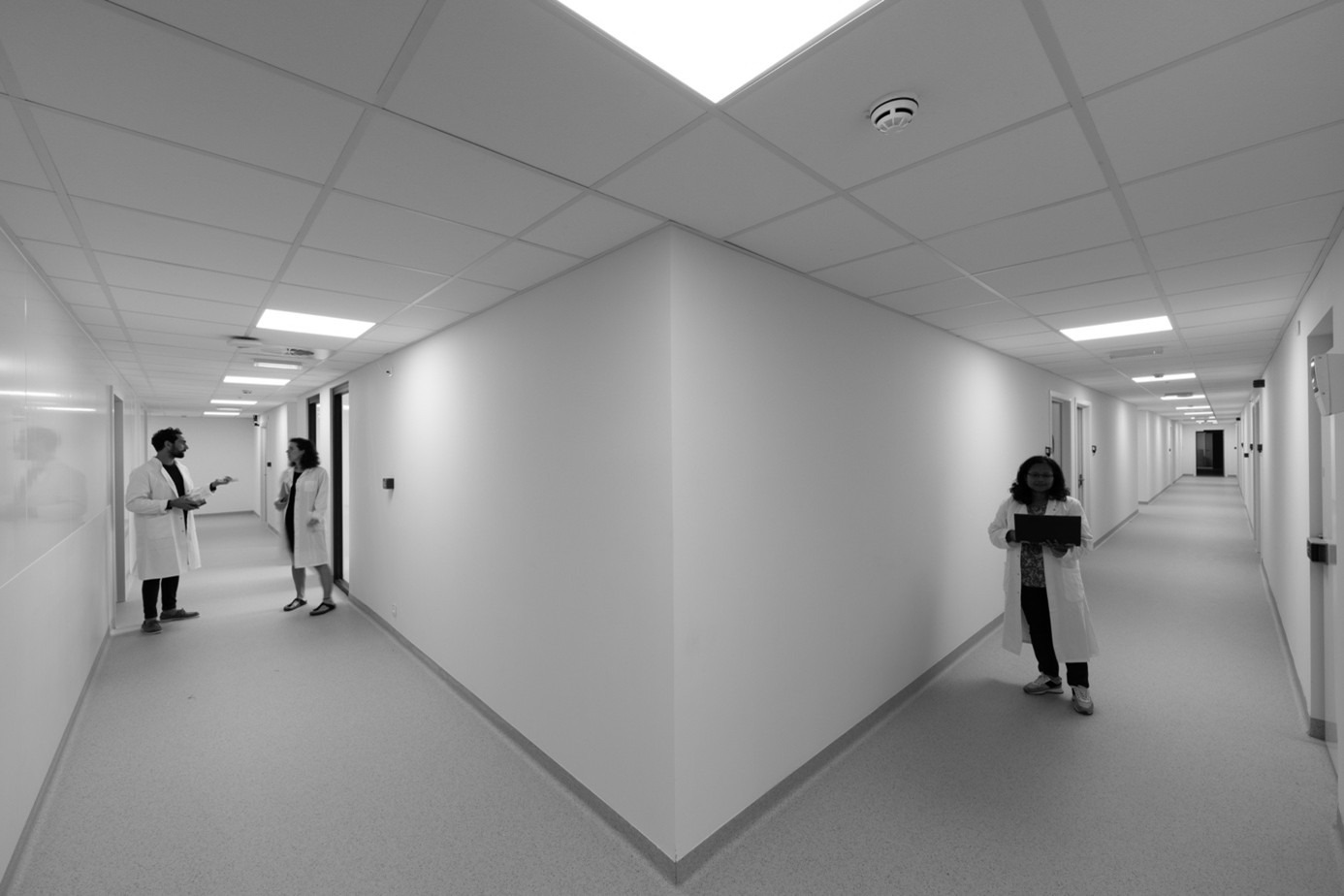
The building is set within a modern and functional environment designed to promote research and collaboration. Surrounded by green spaces and easily accessible, it features a bright and open architecture intended to welcome multidisciplinary teams in a pleasant and stimulating setting.

Biobanking
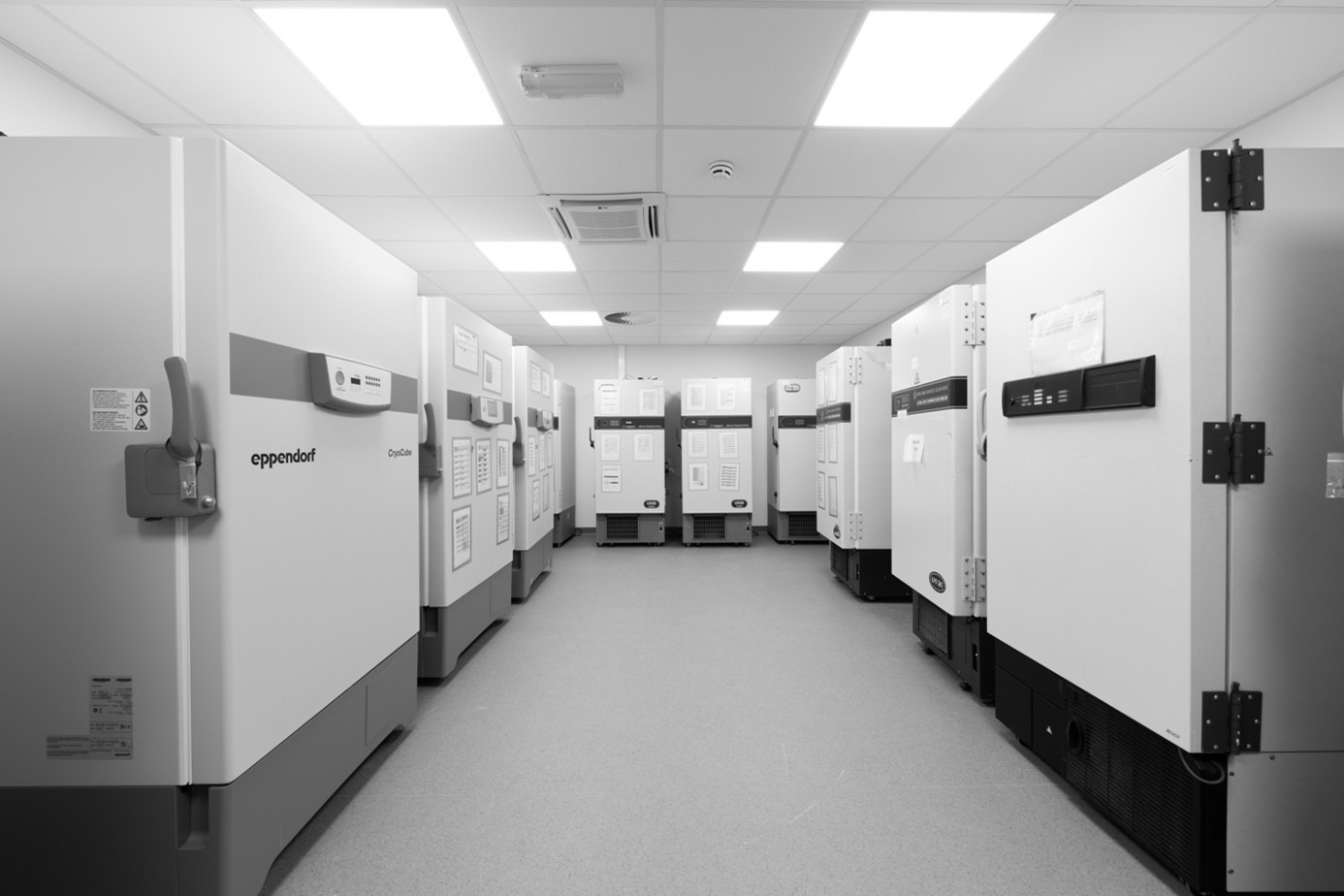
The biobanking platform ensures the collection, processing, preservation, and traceability of biological samples under optimal conditions.
It guarantees the quality, safety, and standardization of the biological materials needed for research projects, while complying with ethical and regulatory standards.
BSL-2 & BSL-3 Laboratories
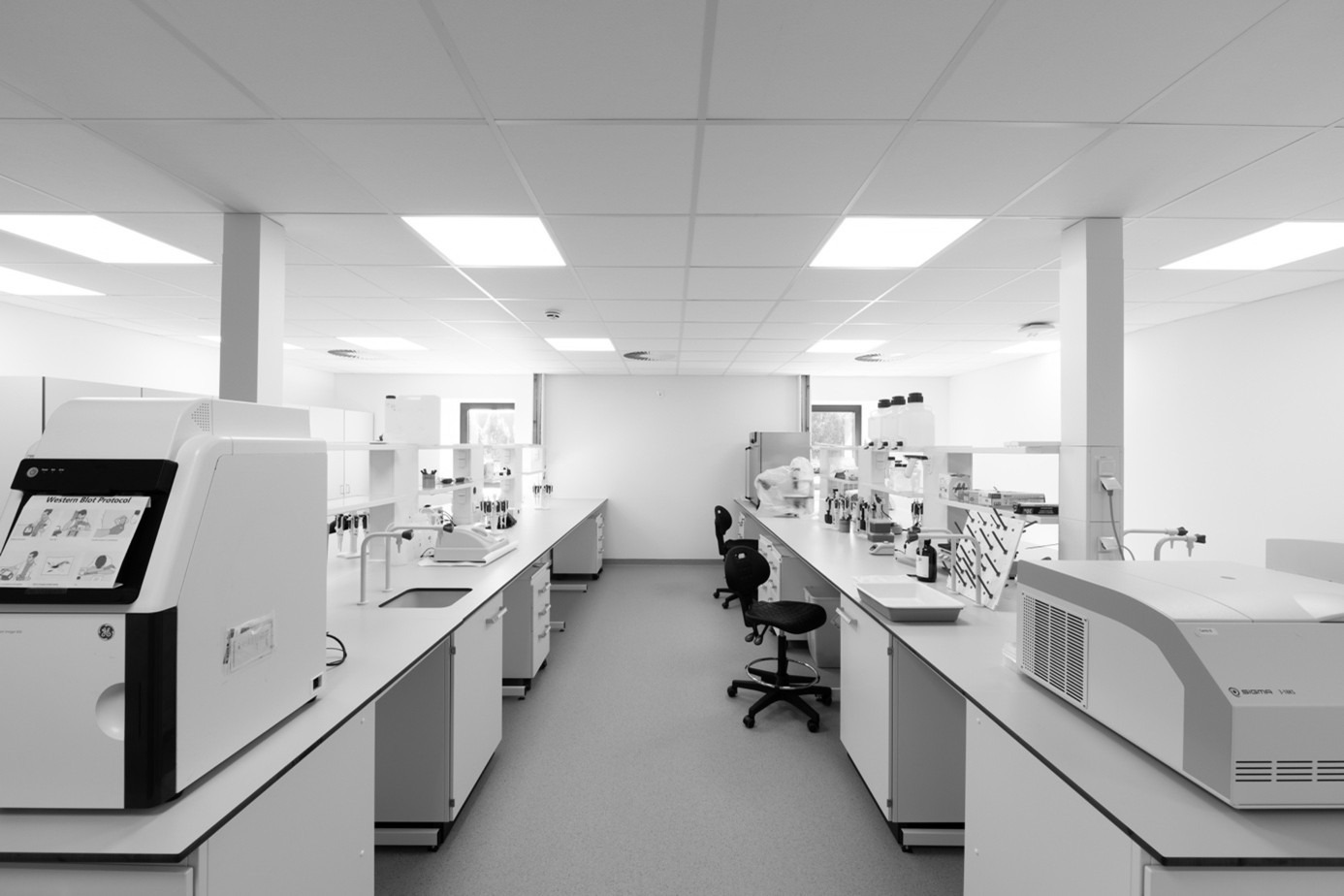
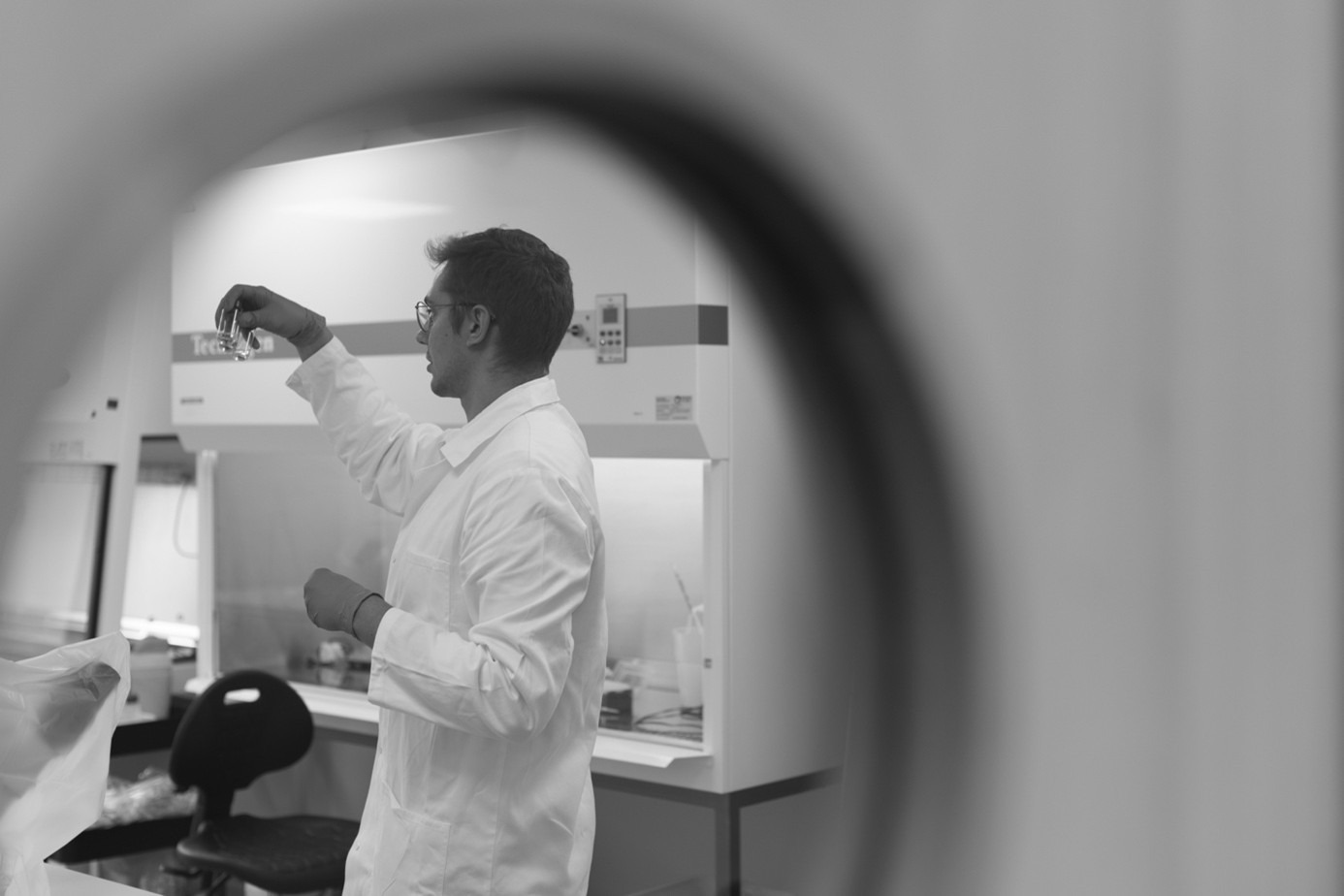
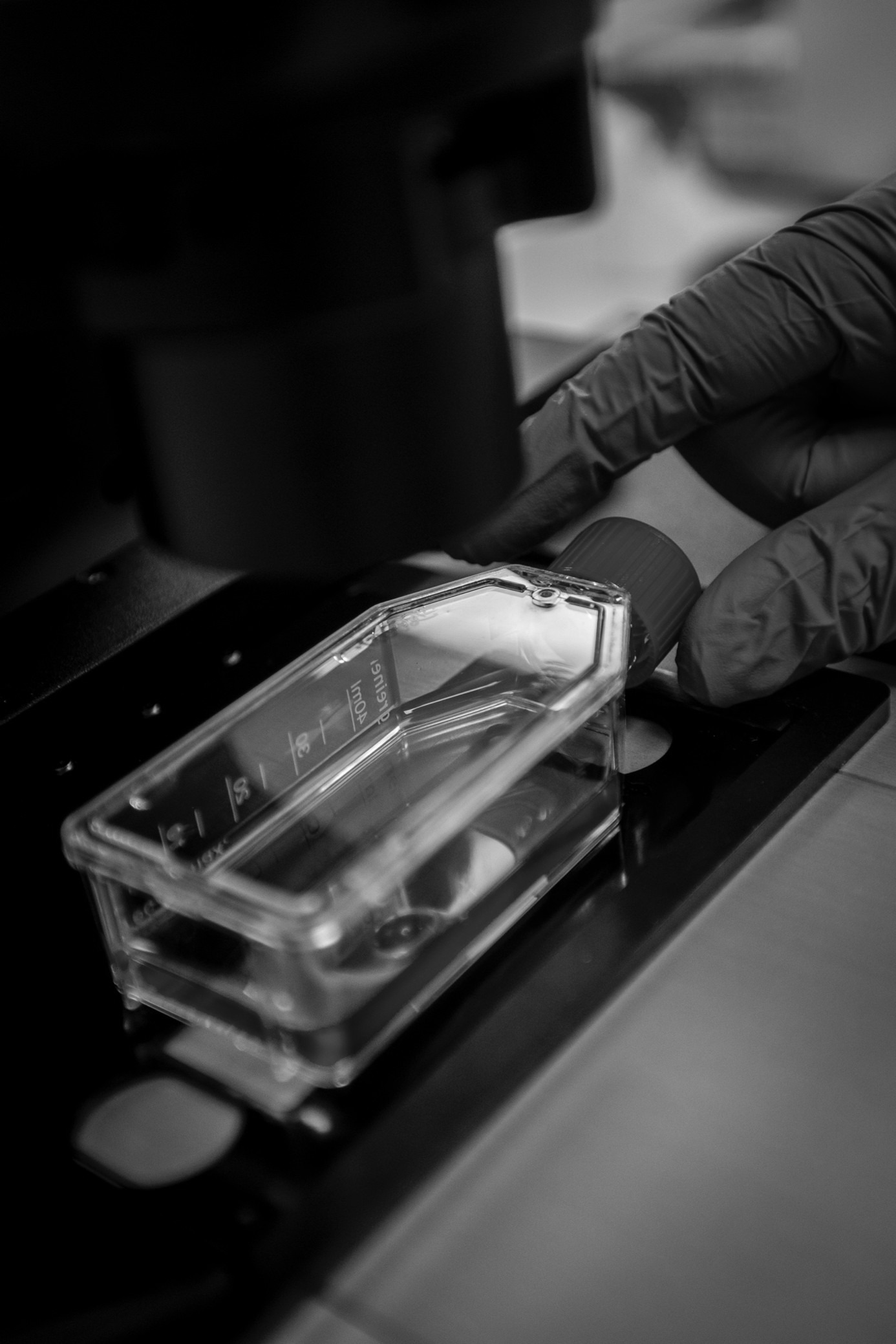
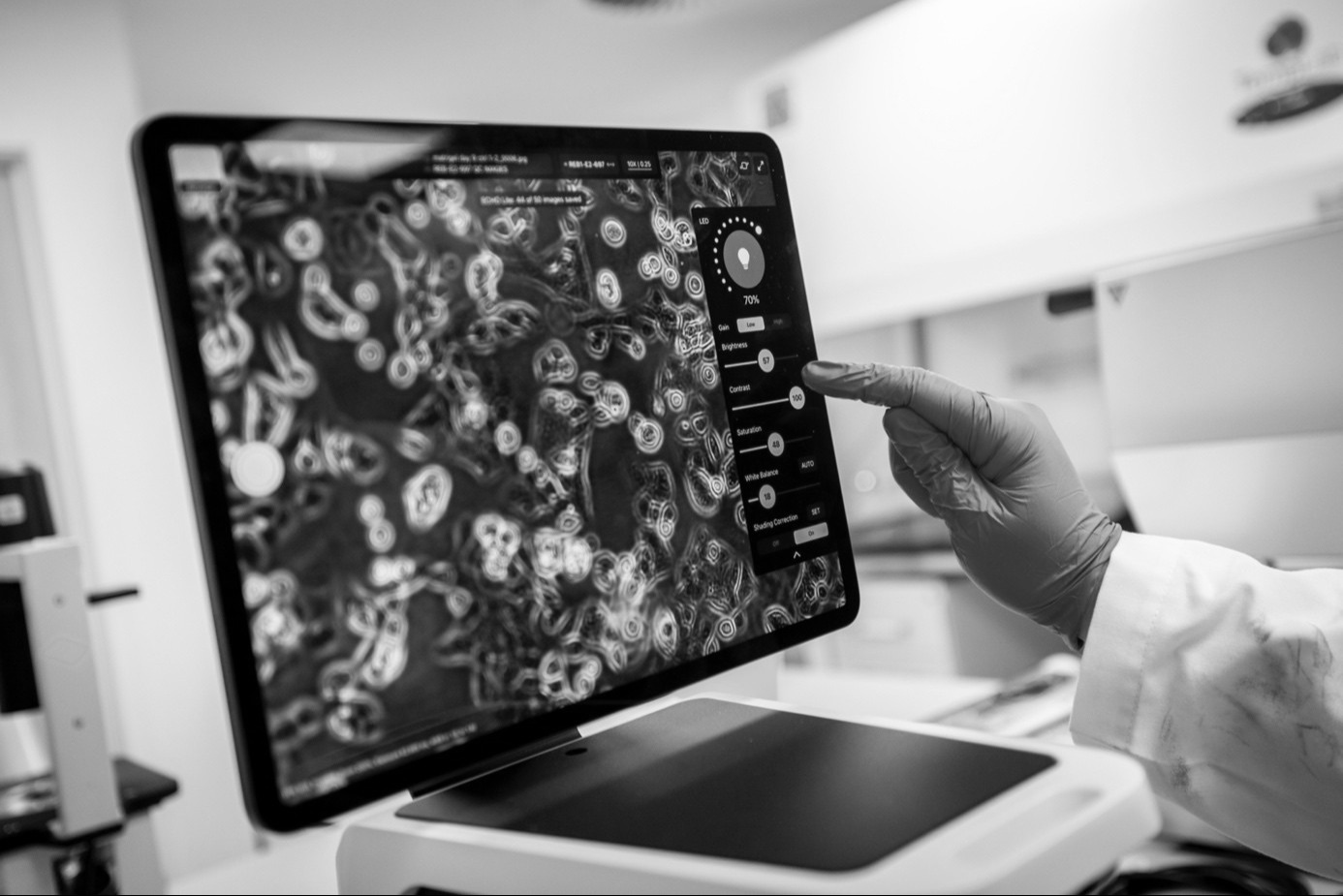
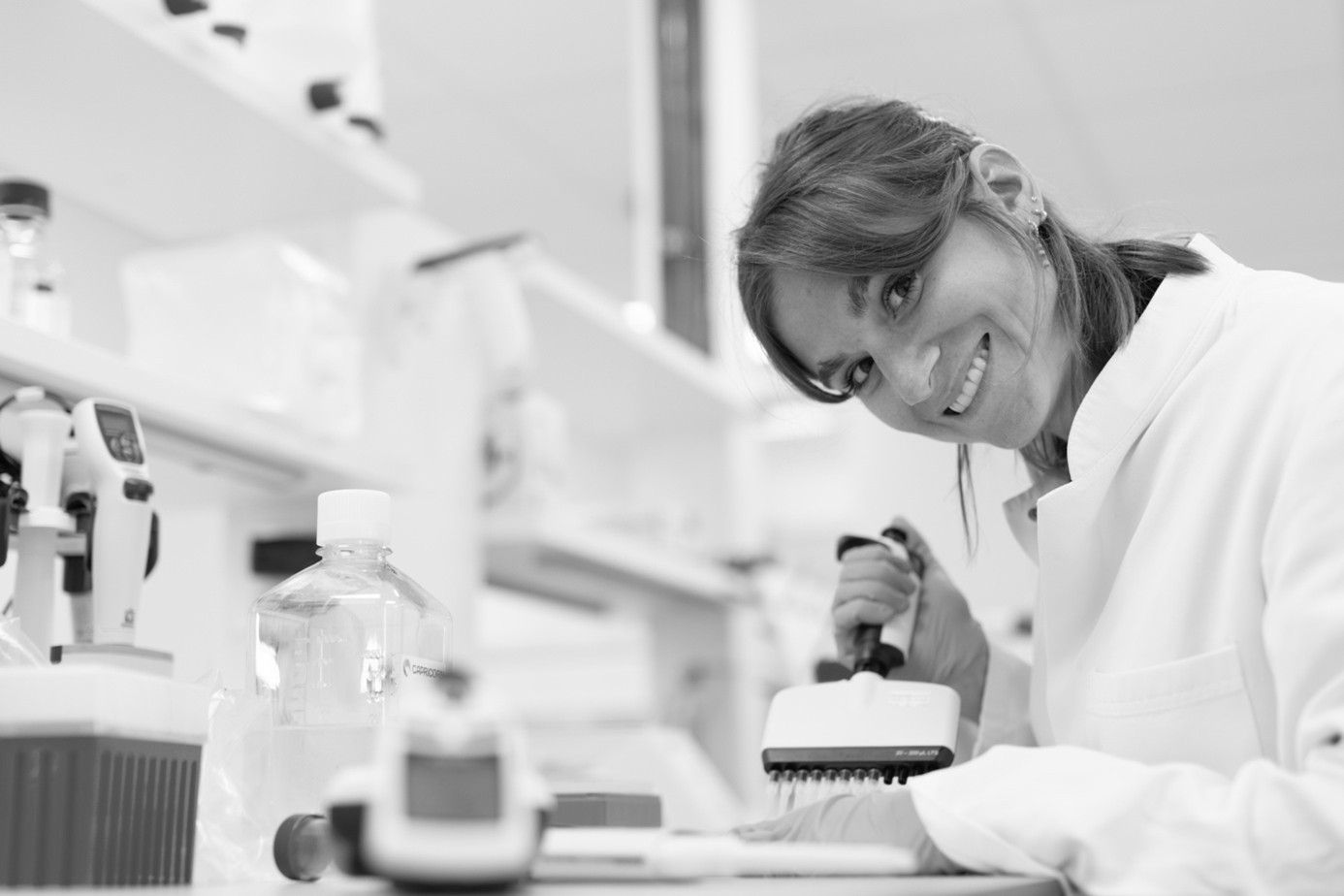
Operational since September 2023, the EPIV includes state-of-the-art laboratories with BSL-2 and BSL-3 biosafety containment levels. These laboratories allow for the handling of biological agents that require enhanced containment measures. They are equipped with advanced safety features such as airlocks, laminar-flow biosafety cabinets, and HEPA filtration systems — to ensure the protection of personnel, the environment, and samples.

Clinical Research Unit
An on-site clinical research unit, connected to the Brussels University Hospital (H.U.B.), is also available.
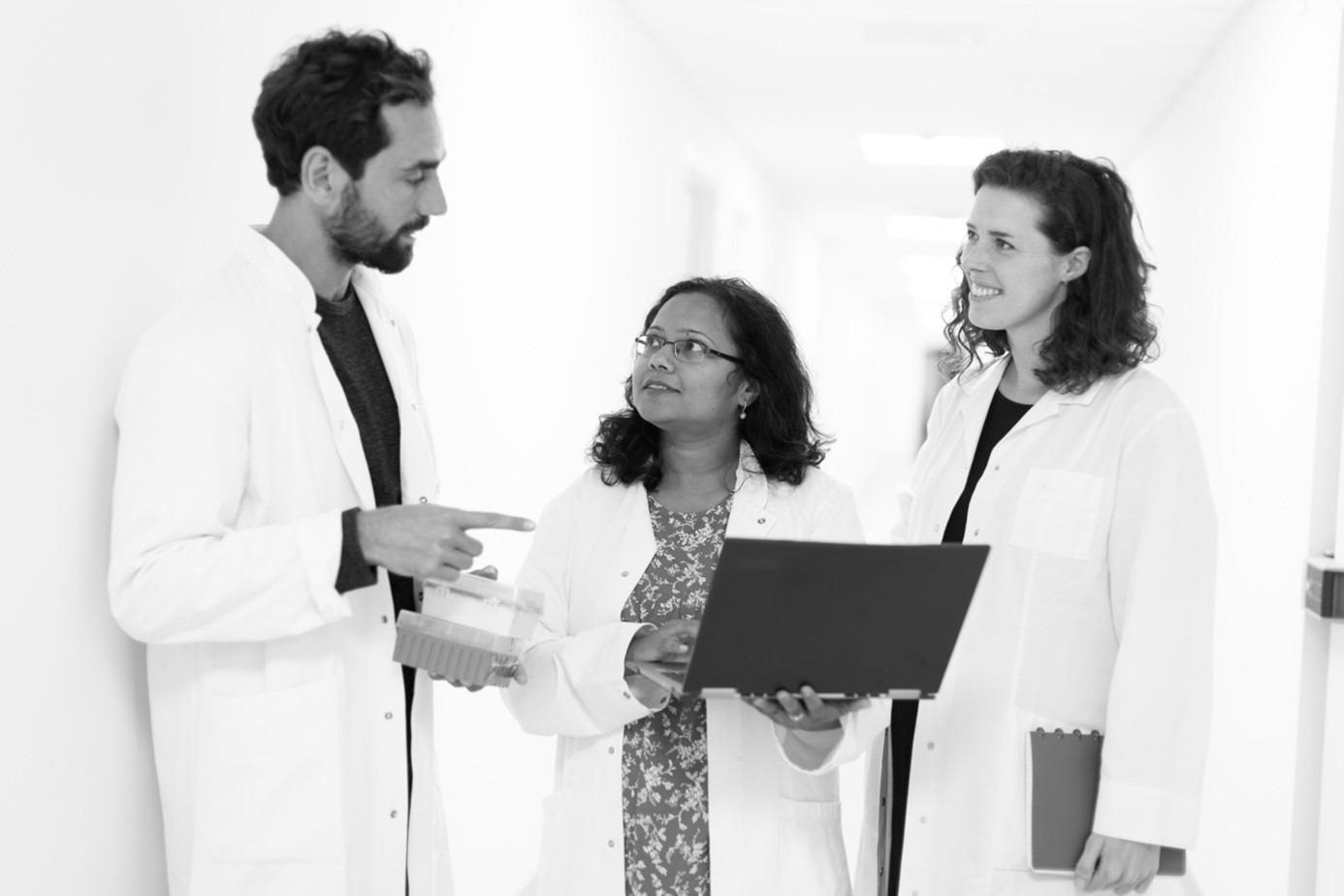
The unit provides a dedicated environment for conducting clinical studies involving volunteers — including consultation, sampling, and follow-up areas, as well as a specialized team that ensures protocol coordination, regulatory compliance, and high-quality data collection.
Molecular Biology Platform
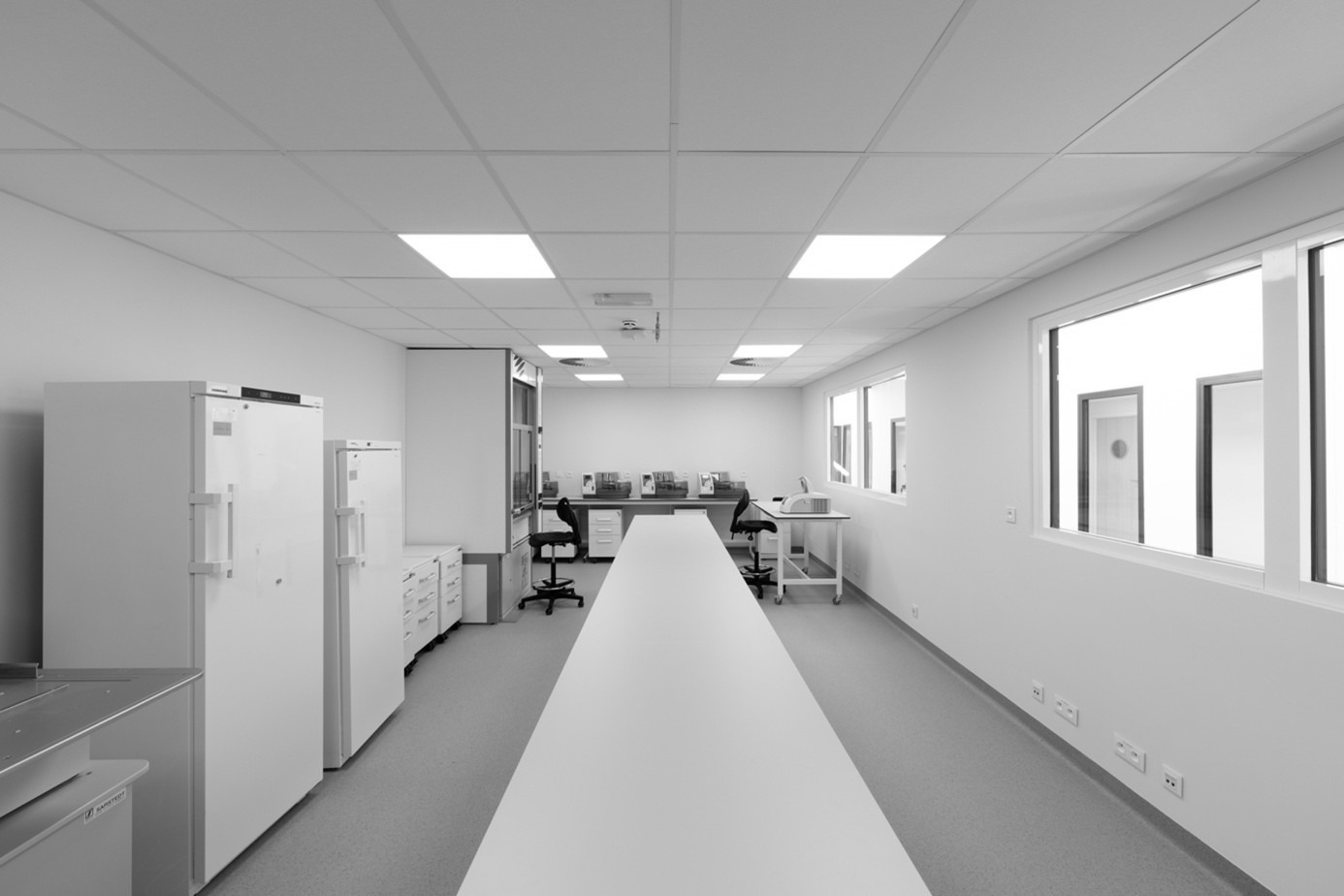
The molecular biology platform is equipped with advanced technologies for genome and gene expression analysis.
The platform enables techniques such as PCR, sequencing, and nucleic acid manipulation. It offers a scalable high-throughput testing capacity that can be activated to support response efforts in the event of a future pandemic.
Atrium, Cafeteria & Shared Spaces
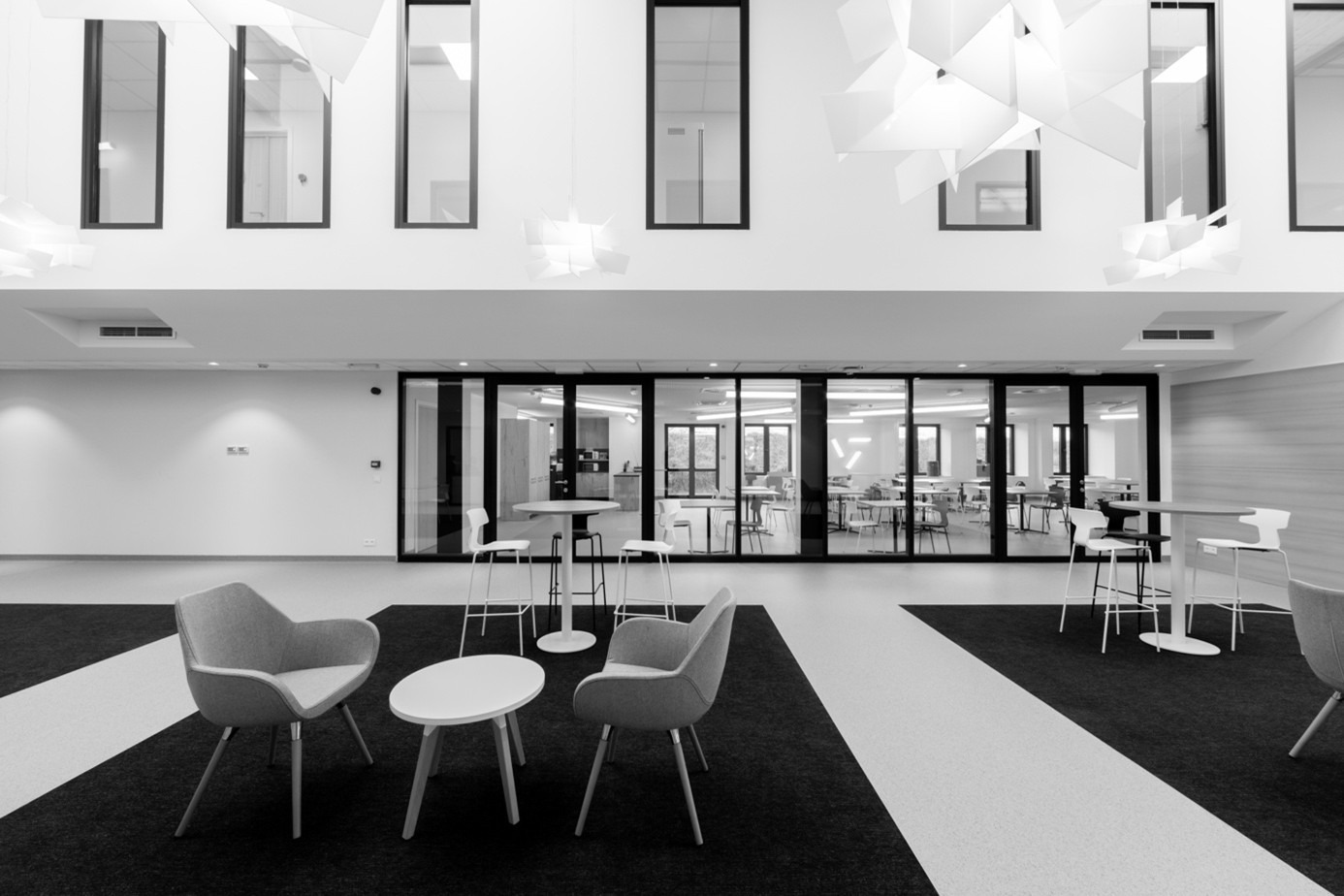
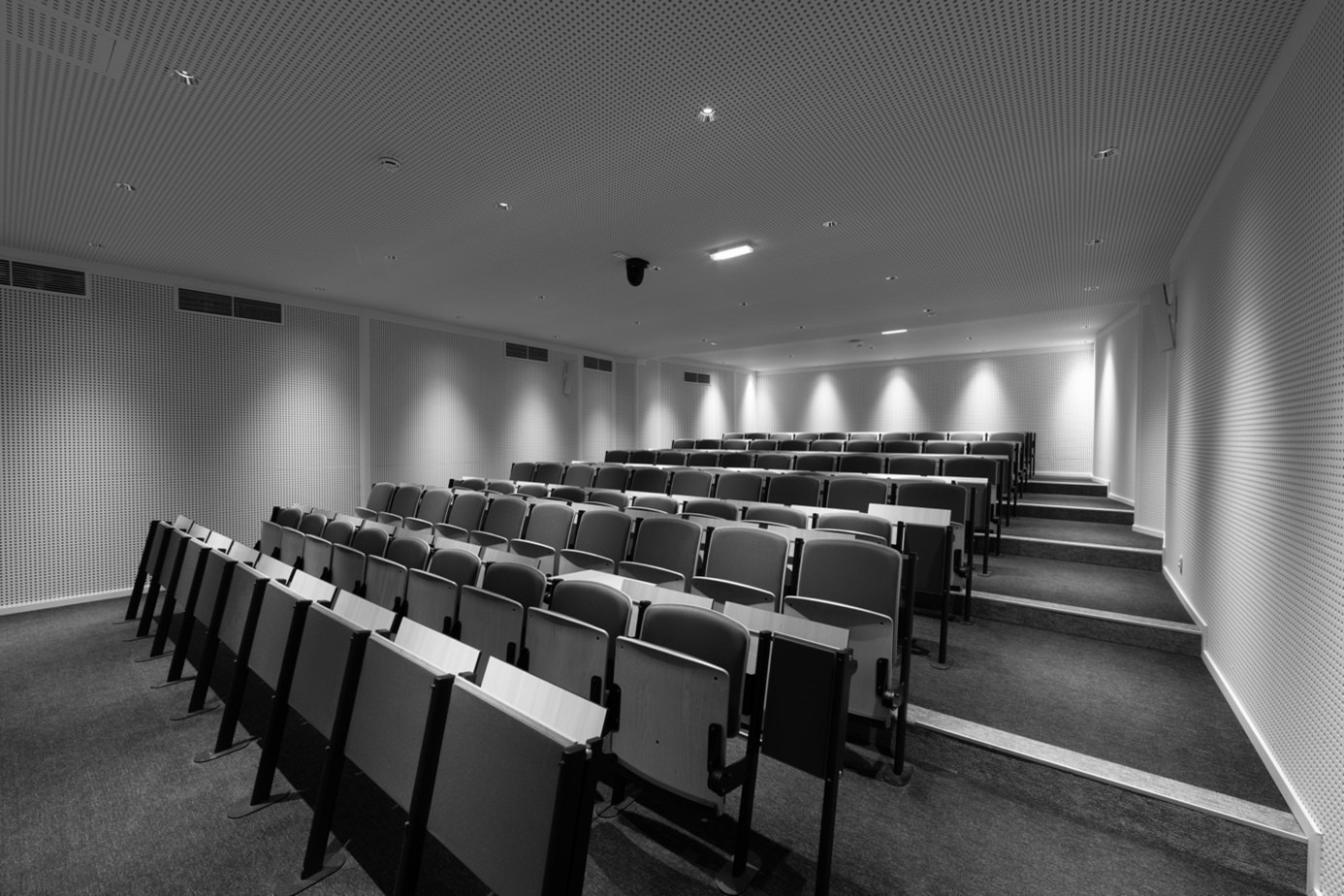
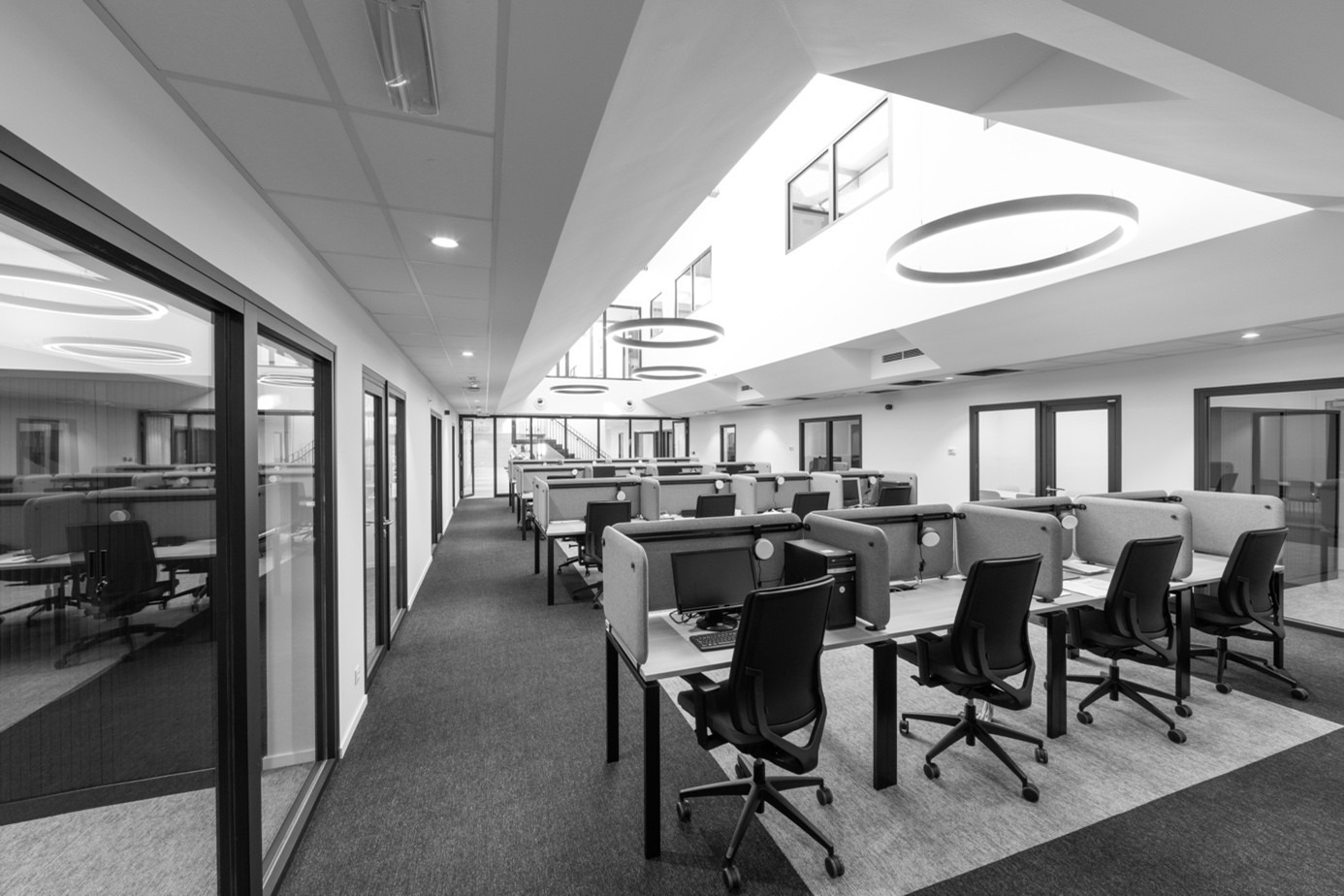
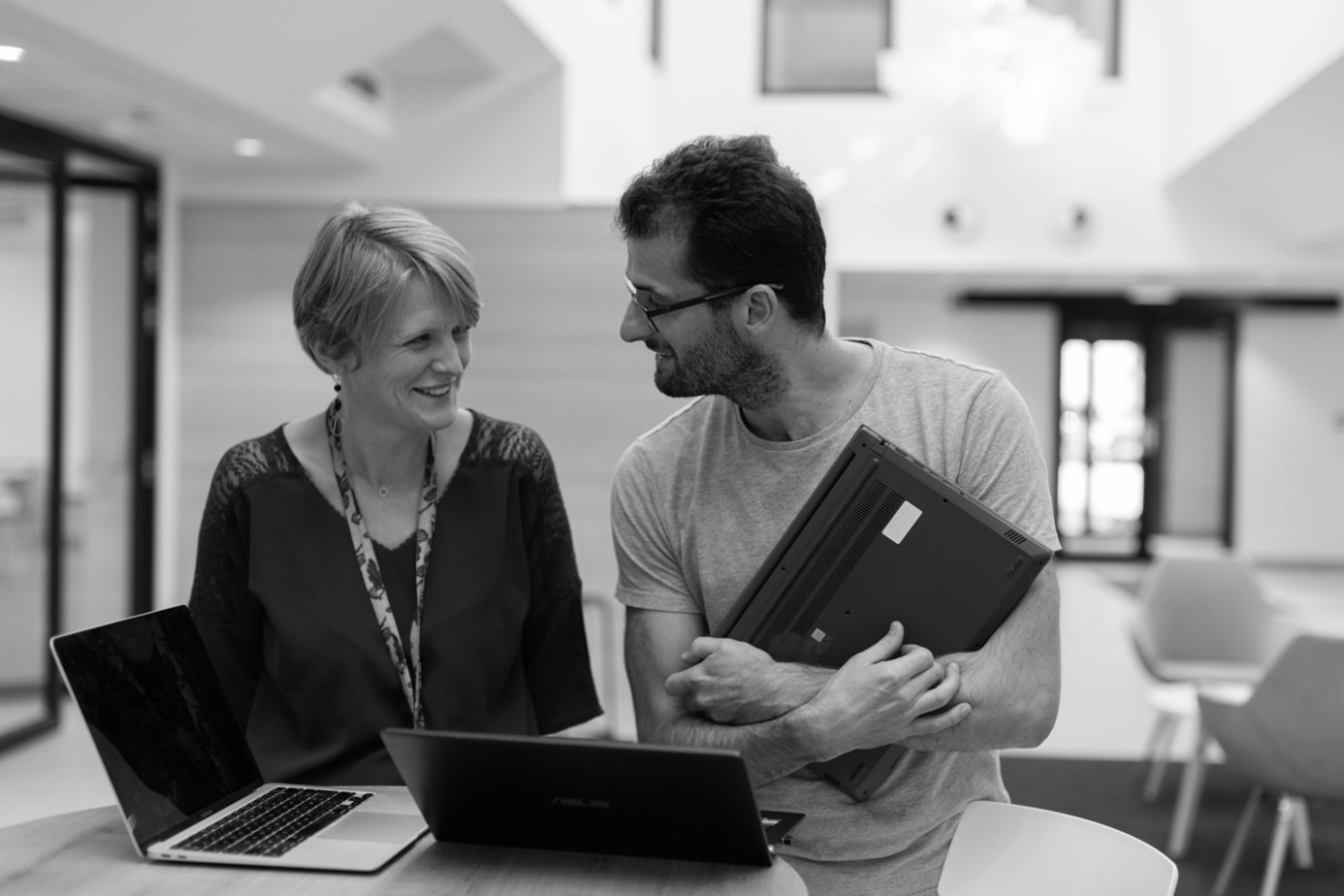
The atrium and shared spaces — including the cafeteria, seminar rooms, and open office areas — encourage informal interaction and collaboration among teams. These bright and flexible areas are designed to host meetings, scientific presentations and moments of relaxation, contributing to a dynamic and inspiring work atmosphere.